This section brings together practical engineering knowledge and application-focused guidance related to quartz glass materials and components.
The content is drawn from real manufacturing cases and application-driven projects involving quartz tubes, capillaries, optical components, and custom-processed quartz parts, rather than purely theoretical descriptions.
The topics here are intended for engineers, researchers, and technical buyers who need to better understand quartz material behavior, processing limitations, and design considerations in real-world use.
This page brings together several articles explaining how Ce-Ti co-doped quartz tubes behave in real applications, including their blue-purple color, UV performance, and resistance to solarization.
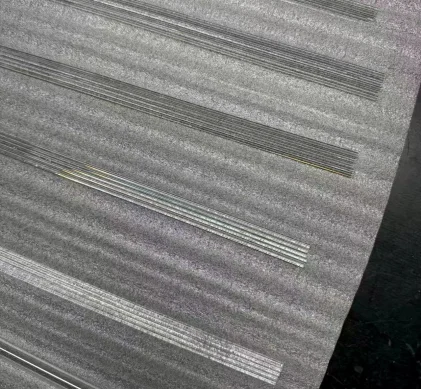
This solution page collects key technical articles explaining how quartz capillary tubes are made, measured, and used in optical and analytical applications, helping clarify design and performance questions.
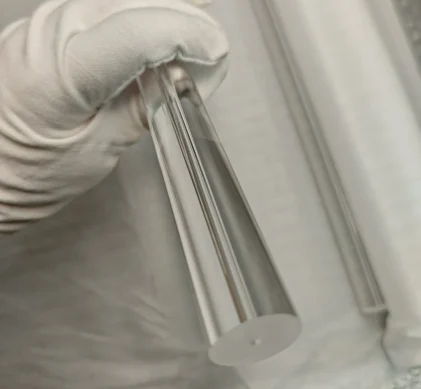
This article walks through a real case where a high-pressure quartz tube was required for experimental use. It focuses on how pressure resistance, temperature limits, and practical design questions were assessed to reach a workable solution.
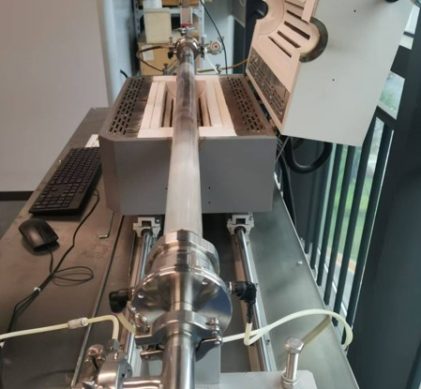
This article focuses on how quartz tubes are used in CVD tube furnaces, and how flange systems influence sealing, gas flow, and safe operation in real experiments.
This article focuses on quartz tube transmittance from an engineering perspective, summarizing how wall thickness, surface polishing, and material factors influence transmittance across different wavelength ranges, and providing practical guidance for design and selection.
Paramagnetic defects in quartz tubes can affect EPR measurements more than expected, but their causes are often overlooked. This article explains where these defects come from, how they influence experiments, and what material factors actually matter.
This case study presents how we helped a customer resolve long-standing material compatibility concerns when operating quartz tubes in nitrogen atmospheres containing alkaline compounds.
This article focuses on gas chromatography columns, starting from the most basic concepts and explaining what they do, why they matter, and how to choose the right column for real analytical work.
This article provides a structured overview of the main manufacturing processes involved in quartz tube production, from raw material preparation to finished tube processing. It covers key methods such as tube drawing, cutting, welding, polishing, bending, annealing, and process selection for different sizes and application requirements.
“*” indicates required fields
REACH OUT TO
OUR TEAM
Please provide your information below, and we’ll get back to you within 1 working day. If you experience any issues submitting the form, you may also contact us directly at sales@totalquartzworks.com



 English
  German
  Russian
  French
  Spanish
  Italian